The cabinet door opens on its own. The hallway feels suspiciously dark. And that bathroom? It has been trapped in another decade for years.
Before you call a paranormal investigator, you might want to call a contractor.
Every home has its quirks. Some are charming. Others are the things you work around so often that you barely notice you’re doing it anymore.
You lift the cabinet door slightly before closing it. Carry the vegetables to another counter because the light is better there. Warn guests about the bathroom drawer that only opens halfway.
This Halloween, take a look at the things that keep haunting your daily routine. Some may need a simple repair. Others might be worth addressing as part of a thoughtful remodel.
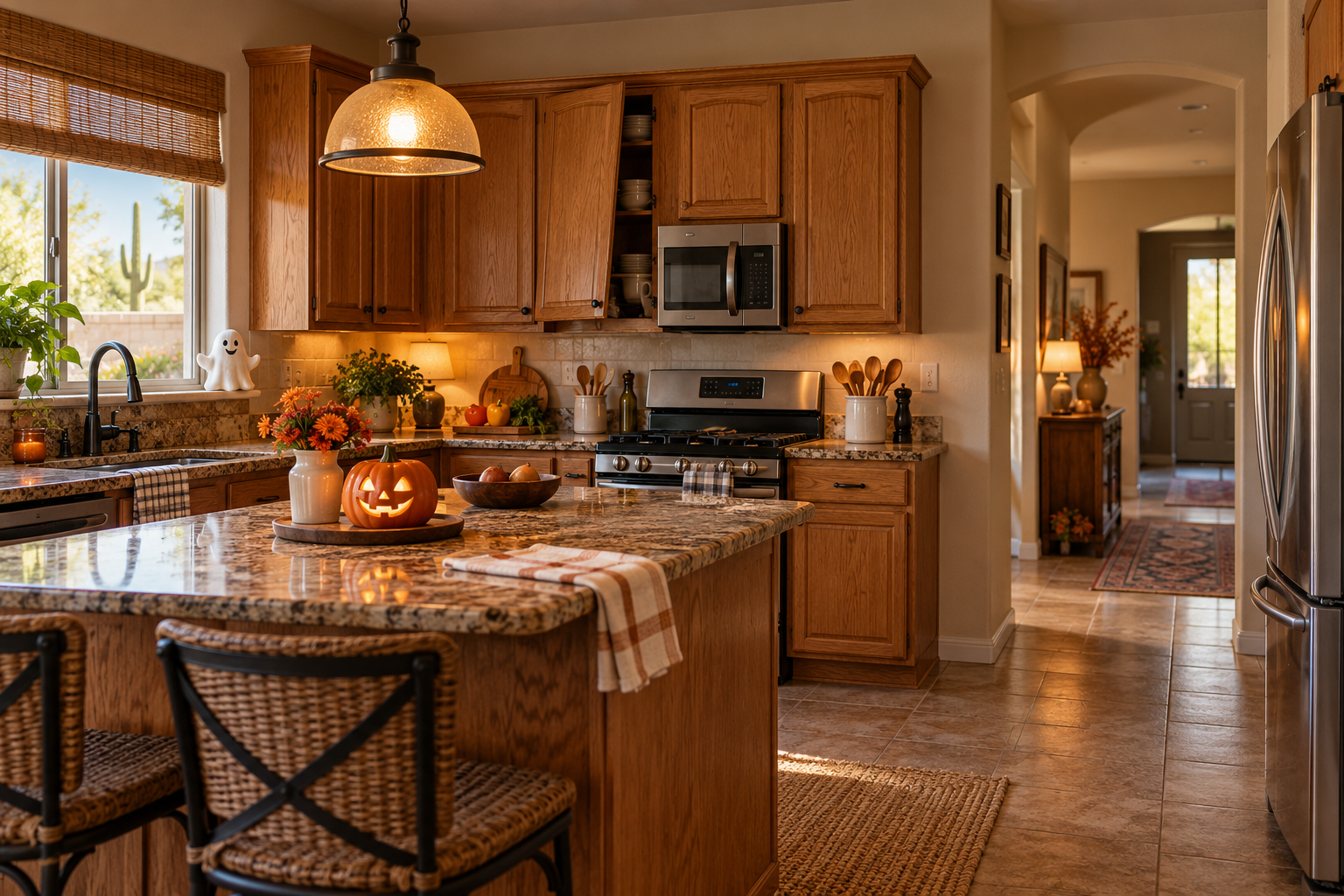
The Cabinet Door With a Mind of Its Own
A cabinet door that won’t stay closed can feel like a tiny household haunting. More often, it needs someone to look at the hinges, alignment, or condition of the cabinet itself.
That doesn’t automatically mean replacing every cabinet in the room.
If the cabinets are in good condition and the layout works, an adjustment or hardware repair may address the frustration. But if sticking doors are only one item on a longer list, it may be time to look at the kitchen more broadly.
Are drawers difficult to use? Do cabinet doors collide when opened? Are the things you reach for every day tucked into the least convenient places?
When considering kitchen remodeling, start with how the room works. The finish you love matters, but so does being able to put away a frying pan without performing a small ceremony.
The Kitchen Where You Chop Vegetables in Your Own Shadow
A kitchen can have plenty of light and still leave the work surfaces poorly lit.
If the main light is behind you when you stand at the counter, your body may block the light exactly where you need it. A decorative fixture might look beautiful over the island while doing very little for the sink or prep area.
Thoughtful lighting starts with what happens in each part of the room. Preparing food, washing dishes, finding pantry items, and gathering around the island don’t all need the same lighting.
Depending on the layout, under-cabinet lighting or changes to fixture placement may help. Planning lighting alongside cabinetry and electrical work gives you a chance to address those daily frustrations together.
The Halloween mood lighting can wait until after dinner.
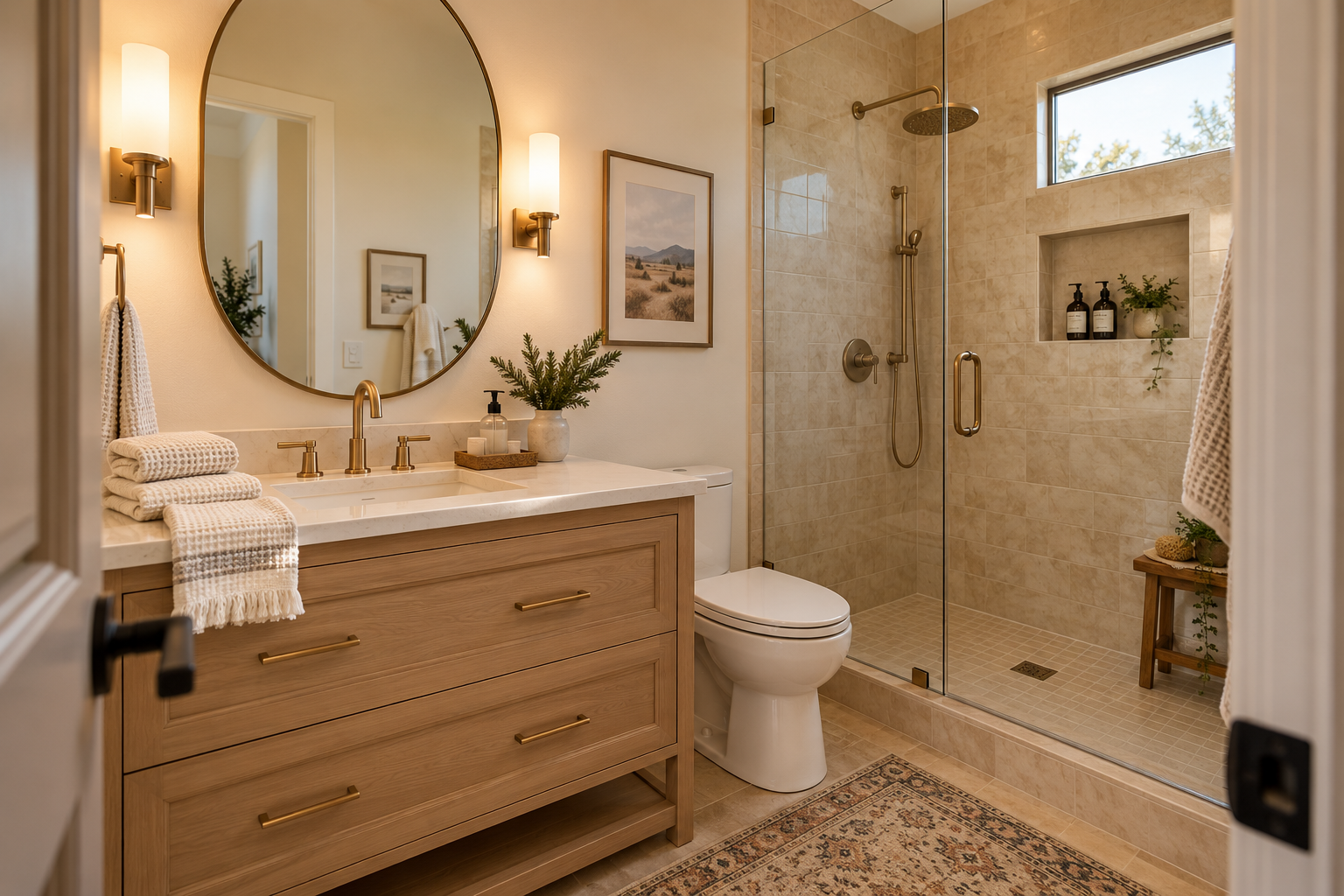
The Bathroom Trapped in Another Decade
An older bathroom doesn’t need updating simply because it is older. If you love it and it works well, there is no decorating police coming for your tile.
But there is a difference between enjoying a vintage room and tolerating one.
Maybe the vanity has almost no usable storage. The lighting makes getting ready difficult. The finishes look tired, or the layout leaves you squeezing past an open drawer every morning.
A useful bathroom remodel begins with those specific concerns. Improving the vanity, lighting, surfaces, or layout can help the room feel more comfortable and easier to use.
Choose the improvements around your routine. A beautiful bathroom should still give you somewhere to put your toothbrush.
The Layout That Makes Everyone Take the Long Way Around
Some household frustrations have less to do with individual fixtures and more to do with where everything sits.
A doorway interrupts the only useful wall. An island narrows the path through the kitchen. Furniture ends up in an awkward arrangement because the room offers few obvious alternatives.
You may have learned the route so well that you automatically turn sideways or wait for someone else to pass.
Before assuming a wall needs to come down, look at what is causing the problem. Furniture placement, cabinet depth, or the location of a particular feature may be part of the answer. Larger changes need a closer review of the home and what is feasible.
Interior design planning can help connect the way you want to use a room with the layout and finishes that support it.
The goal is a home you can move through comfortably, without feeling like you’re navigating a haunted-house attraction.
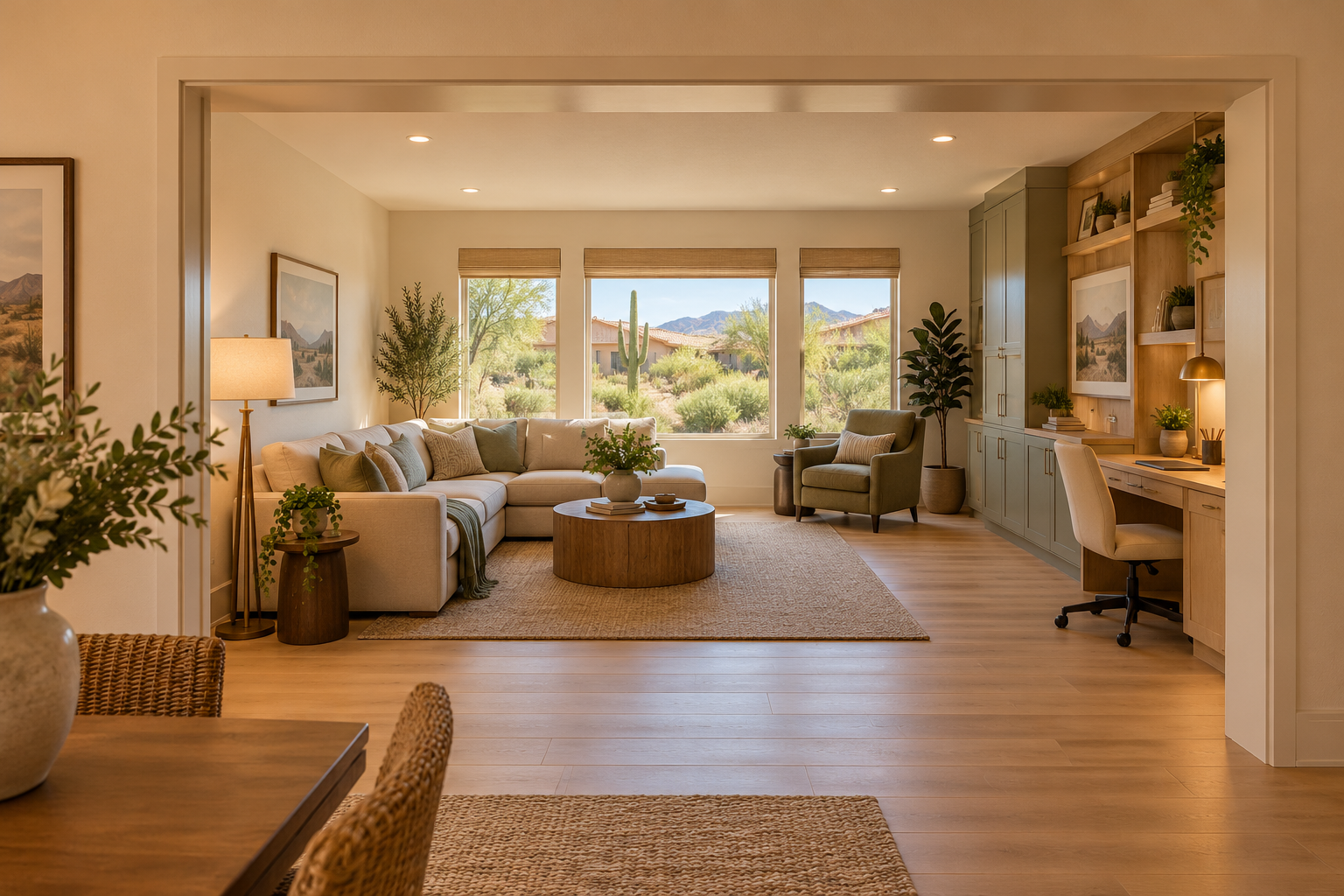
When Your Home Has Collected Too Many Eras
Sometimes nothing is broken. The room simply feels like a collection of decisions made at different times.
The flooring belongs to one update. The cabinets belong to another. The lighting was chosen because it was available that weekend.
Each piece might be perfectly fine on its own, yet together they don’t quite create the feeling you want.
Before replacing everything, consider which elements could help bring the room together. A coordinated paint palette, updated hardware, or a more consistent approach to lighting and finishes may offer a useful starting point.
A thoughtful plan can also help you decide what to keep. The features you still like deserve a place in the conversation.
Start With the Frustration You Notice Most
You don’t need a list of twenty improvements to begin. Start with one moment in your day.
What makes cooking harder? What bothers you when you get ready in the morning? Which room never feels comfortable, even after you tidy it?
Be specific. “The kitchen feels wrong” is a starting point. “I have nowhere to prepare food when someone is loading the dishwasher” gives the conversation a clearer direction.
And if something is newly damaged or behaving differently, have it assessed before treating it as a cosmetic issue. Understanding the cause helps determine whether it needs maintenance, repair, or a larger change.
Let’s Retire a Few Household Hauntings
You don’t have to wait until something breaks to improve something that bothers you every day.
A focused repair may be enough. A targeted update might address several frustrations. Or a larger remodel may make sense when the layout and condition of the room need more attention.
Contact Integrity Contracting to discuss your project. Tell us what you’ve been working around, what you’d like to keep, and how you want your home to feel.
Keep the cobwebs for Halloween. Let’s talk about the things that bother you the other 364 days.
Frequently Asked Questions
Does a frustrating room always need a full remodel?
No. Some problems can be addressed with maintenance, a repair, or a focused update. The condition of the room, how well its layout works, and the changes you want will help determine the appropriate scope.
Can I keep parts of my existing kitchen or bathroom?
Possibly. Cabinets, fixtures, and finishes may be worth keeping if they are in suitable condition and work with the proposed changes. Reviewing them before finalizing the plan helps identify what can stay and what would benefit from replacement.
How do I decide which home improvement to tackle first?
Start with the issue that most affects your daily routine, while giving needed repairs priority. Describe the specific problem and what a better experience would look like. That helps guide the scope and makes it easier to compare possible solutions.